

Oliver Mears, Dairy Manager at Bisterne Farms, reflects on finishing harvest and preparing for winter as the wet weather continues to cause a range of disruptions.
It’s been a busy time of year as we bridge the gap between finishing off harvest and getting set for winter.
We managed to get all the maize cut in what is one of the biggest days in the calendar. It actually took us a day and a half to get it finished, with the first day seeing us bring in a little over 2,000t into the self-feed clamps. The second day was a bit easier with around 476t cut and being put aside ready to refill the clamps when they run out in late February/early March.
Perilous at times
The days went well; it was a bit wet and drizzly and perilous at times with the tractors and trailers on the soft ground, but the crop was surprisingly dry. We averaged 46.9t/ha fresh weight, which we’re very happy with.
To get the clamps sorted, we turn the cows out after the afternoon milking whilst we sheet the clamps down and check the wiring at the feed face, before getting them back in. We finished at around 10.30pm on the big day, which made for quite a long and tiring session after a 5am start, but the self-feed has been going great and the cows are milking well, so it makes it all worth the effort.
Feed wise, there are a few more silage bales to cut and make before we tidy up for winter; the wet and very mild conditions have been perfect for autumn grass growth, which means we will get a few extra in this time.
We have finished calving and our thoughts are now very much with breeding. The heifers have been synced and served; we split a group of 170 and served them in two groups to try and keep the calving window as tight as possible.
We are also really happy with the cows as we think about their breeding; they are looking in great condition and we feel in a good position. In the evenings when we go to check the self-feeders, I have noticed the big group of cows are cycling well and they have plenty of energy.
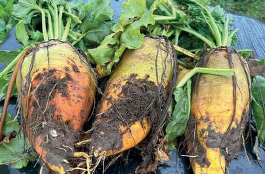
The past month has also been consumed with getting the fields ready for out-wintering stock. We have been busy setting up so we can get the young animals and spring calvers onto the fodder beet, which has involved prepping all the fencing, laying the bales out and sorting water pipes and troughs, which takes up a fair bit of time. There are some massive bulbs of beet as well.
Turnout time
The first group of heifers are already out and the autumn R2s (10-22 months old) will join them after they have been served; we will put four groups outside in total.
We give them a two-week transition period to get fully onto the beet. There is a huge risk if we do it too quickly that it could cause acidosis and make them quite poorly, so we supplement feed them with grass and hay bales. The wet weather continues to cause issues around the farm as we have not been able to graze the river meadows as normal due to them being submerged in water. We would usually put stock on them up to December, but that is looking increasingly unlikely as the water levels remain high.
As an alternative we have had to bring the heifers up onto the wider grazing platform nearer to the buildings. It has sort of helped with management, as it meant they were closer when we were syncing them, but it wasn’t ideal.
Going forward the weather will hopefully be a bit better, but haven’t we been saying this for the past year nearly? October has been quite wet again following the damp September, and although we get short spells of dry weather, I am not sure it will be enough to see the water recede enough on the river meadows in time for us to get them grazed.
With the wet weather has come the other jobs it adds. We have been flat out washing machinery off that is caked with mud, and scraping the yard to keep it clean and tidy; it seems to have become a bit normalised now.
Trimming lame cows has also kept us occupied; we want to keep them walking happily before they are dried off, and with the tracks being so chewed-up we have had to keep on top of it, which we are managing to do.
A final thought on the milk price: There was positive seasonality in September and October which was good, it will ease off in November and then we will look at drying some spring cows off and reducing their cake. They are looking fit though and I am happy to drive them out onto the beet.