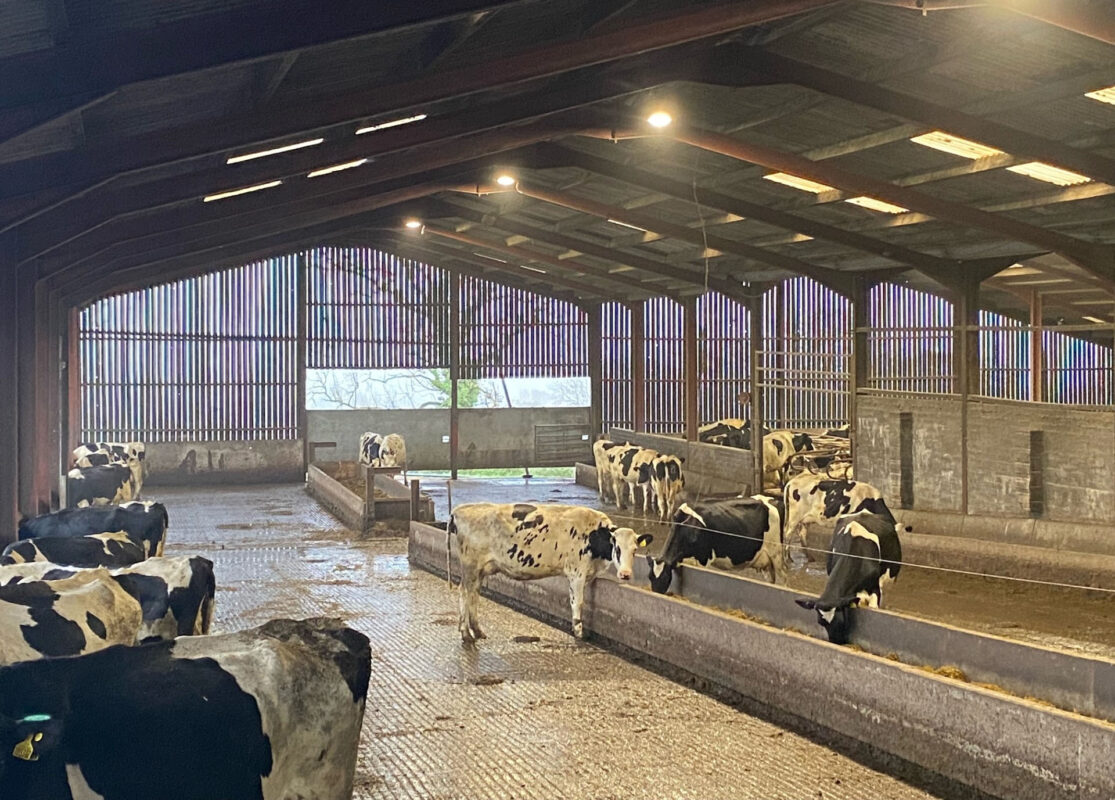
Through herd and farm improvements cow lameness has reduced to 9%
Maintaining your herd’s mobility isn’t just about animal welfare – it directly impacts profitability and farm reputation. The AHDB’s Confident Strides campaign has helped one farmer to tackle one of the industry’s most persistent challenges – lameness.
In Kilgetty, Pembrokeshire, Hackett Farm stands out as a shining example of success, where Tom Jones, a dedicated dairy farmer, has transformed his cow’s mobility. He farms with his grandparents, father and uncle across 200ha, with 240 cows and 230 youngstock. The herd calves from late summer into autumn and yields 8,300 litres/cow at 4.65% fat and 3.37% protein. The milk is sold to First Milk under a Tesco cheese contract.
Tom knows that mobility is crucial not just for animal health but also for farm profitability. “Lameness affects everything, from getting cows back in calf to milk production,” he explains. “Our milk yield suffers when cows are lame, as they show signs of heat less and don’t get in-calf as easily.”
Tom has been involved with AHDB’s Healthy Feet Programme since 2022, which he credits for substantial improvements. Initially, his herd’s lameness incidence was around 30%, a lot of which were older cows, but now it’s down to about 9%.
He has worked closely with a farm vet to identify causes of lameness on his farm and set out an action plan for treatment. This included regular footbathing and more frequent hoof trimming, shifting from six-week to three-week intervals, slashing treatment costs.
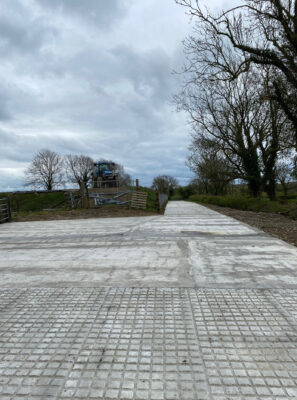 Tom concreted high traffic areas
By trimming cows’ hooves preventatively, before issues develop, he only incurs a trimming cost of £10/cow, as opposed to the expense of £10/block or the higher costs associated with a course of antibiotics and pain relief. The farm has gone from spending £6,500/year on trimming to £6,200, while doubling the frequency.
“Most costs come from the impact of lameness on culling.”
Vet Sara Pedersen played a key role in this transformation. And she highlights that lameness isn’t just a welfare issue but a significant economic concern, as farmers lose out on productivity, while also paying for treatment. “Lameness impacts productivity, reduces profitability, and affects the dairy industry’s reputation,” she says.
“Most costs come from the impact of lameness on culling. For instance, a cow with a sole ulcer has a 50% increased risk of leaving the herd. There’s also an impact on fertility and milk yield.” Through the AHDB Healthy Feet Programme, Tom and Sara began working together in May 2022. They focused on identifying and addressing specific causes of lameness, like digital dermatitis and sole ulcers.
Early action
“We increased footbathing frequency and used a lower concentration of formalin,” she says. “We also introduced an early lactation inspection at 70-80 days to catch issues before they escalated.”
Tom didn’t stop there. He improved his track surfaces, and concreted some high traffic areas, ensuring smoother movement for the herd.
These changes are part of a comprehensive strategy to enhance cow mobility and overall herd health. Looking ahead, he aims to reduce lameness levels further.
By doing so, cows should show stronger heats, allowing them to get in-calf sooner and maintain a good
calving block.
But it’s important to remember, not all aspects are appropriate on every farm, says Sara. Tailoring strategies to each farm’s unique needs ensures interventions are effective and relevant, addressing specific challenges faced by individual herds.
Key Actions
Sara advised Tom to prioritise three key areas: Well-maintained cow tracks, effective stockmanship, and early detection with prompt treatment of lameness. These elements are crucial for reducing lameness, especially in grazing herds where track conditions and cow flow are critical.
Increased footbathing: Improved frequency and quality of footbathing to reduce infectious diseases.
Regular hoof trimming: With more frequent trimming, cows are seen sooner, ensuring hooves are shaped for even weight distribution, which prevents lesions. This proactive trimming reduces the need for blocks and other treatments.
Track improvements: Upgrading existing tracks and constructing new ones for a more comfortable walking environment.
Results
Lameness reduction: Incidence dropped from approximately 30% to about 9%.
Improved productivity: Fewer health issues boosted milk production and reduced veterinary costs.
Enhanced animal welfare: Overall wellbeing improved, creating a more positive and productive farming environment.