
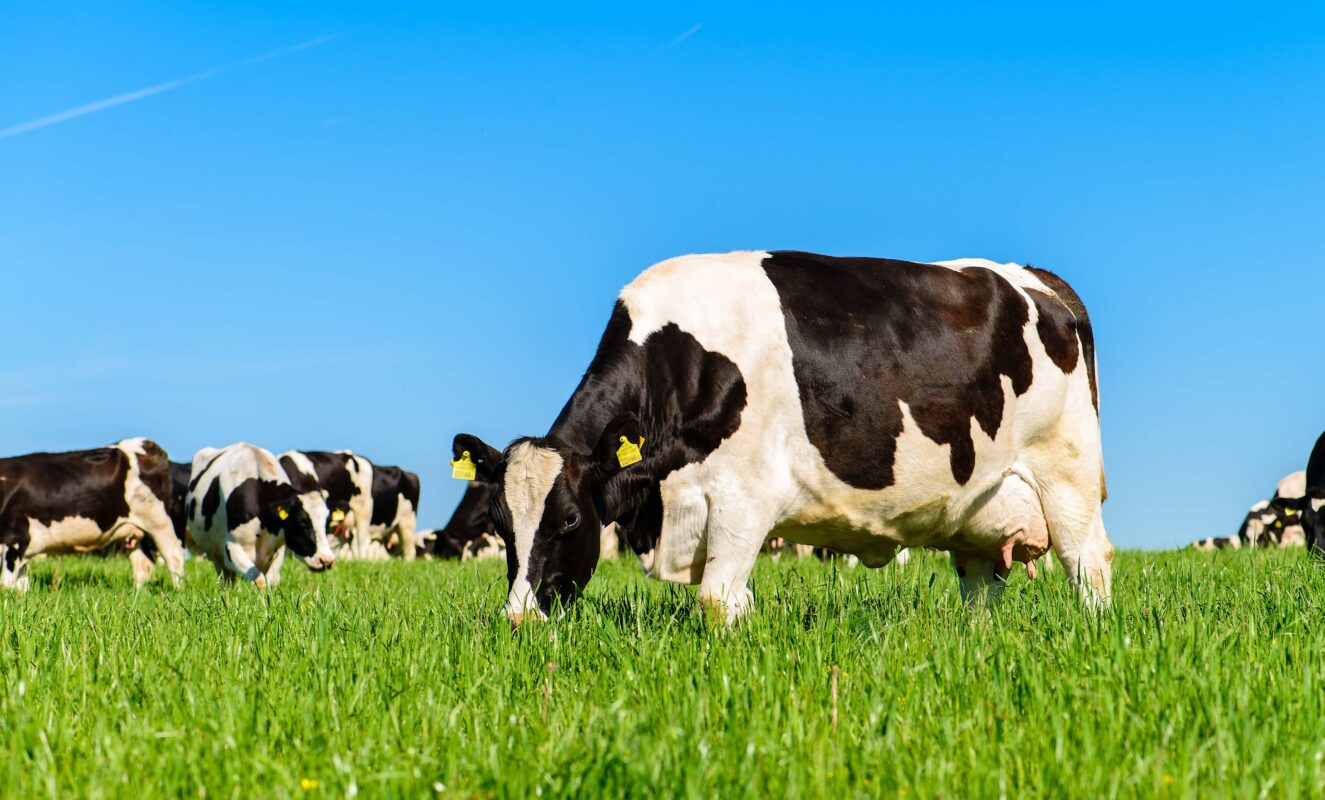
Like many Irish dairy farms, grass is the mainstay of the herd’s diet
Irish dairy farmers, Kevin and Anne Gleeson, have adapted their feeding regime to help their spring-calving herd cope better with lush grass. British Dairying finds out more.
Making the most of grass is the key to success for husband-and-wife team, Kevin and Anne Gleeson. The couple milk 170 Holstein-Friesian cross cows on 100ha of leased ground, at Borrisoleigh, Thurles, Co Tipperary.
The spring-calving herd gives 7,500 litres/cow at 3.6% protein and 4.3% butterfat annually, on average, with milk sold to Tipperary Co-op.
Calving starts in the middle of January and runs until the end of March, with cattle grazed outside for some of the day from February onwards.
Like many Irish dairy farms, grass is the mainstay of the herd’s diet, with grazing running from February to October.
From February until April, the cows receive a buffer feed of maize and some meal, before switching to a fully grass-based diet, supplemented with 4.5-5kg of parlour-fed concentrates daily. “We want to make the most from grass because it is the cheapest feed out there,” says Kevin.
“A lot of people probably keep their diet feeders going for the whole summer, but once May 1 comes, I pull it out. We have such an abundance of grass at that time of the year, it makes sense to me to just let the cows at it.”
This approach doesn’t come without its challenges, he adds, likening lush spring grass to “rocket fuel” – something which can create problems with loose dung and mucky back-ends.
To address these issues, Kevin and Anne participated in a trial using the rumen-specific live yeast Saccharomyces cerevisiae CNCM I-1077. The yeast was introduced to the diet of 27 cows in the herd over four months to assess its impact on rumen function and dung consistency.
“When we started the trial, we were delayed due to difficulties sorting the yeast dispenser for the milking robot we were using at the time, so I was a bit sceptical of seeing a benefit as we had missed the very early lush spring grass,” admits Kevin.
“However, we quickly saw the benefits and we still feed the yeast to the cows, introducing it to their diet immediately after calving. It is especially beneficial when the cows are grazing low netural detergent fibre, high-sugar grass during the second rotation.”
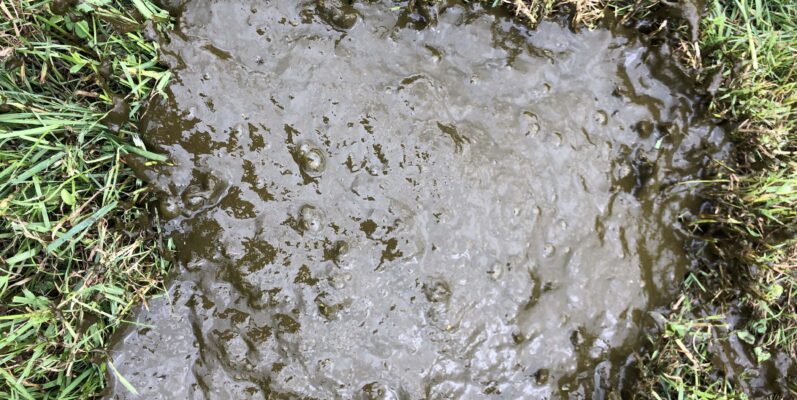 Manure from the control group of cows which did not receive the live yeast
Since incorporating the yeast, issues with loose dung and sub-acute ruminal acidosis (SARA) have been eradicated. The manure quality improves when the cows are supplemented with the yeast, making milking through their herringbone parlour much easier, Kevin notes.
Milk improvements
“At one point, I forgot to order more yeast after running out and the cattle had none for a couple of days; we could immediately see a difference in the parlour and the cattle were way looser,” he adds.
As well as improving manure quality, Kevin believes the yeast has played an integral role in boosting milk yields and quality. The initial trial results showed the cattle given the yeast produced on average 0.5 litres more milk per day, with average protein and butterfat levels of 3.43% and 4.14%, respectively. This compares to 3.39% protein and 3.97% butterfat in the control group.
Financial impact
“Our milk has continued to improve since then, and from May through to September when the cows are on grass only our protein and butterfat levels are better than they were previously,” says Kevin.
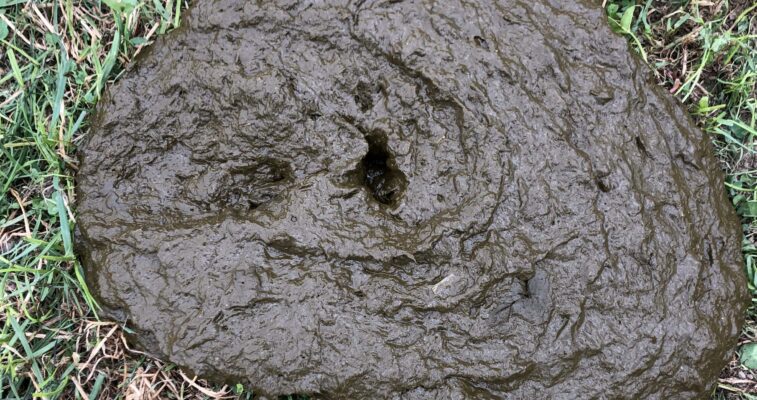 Manure from the Gleesons’ group of cows which recieved the live yeast
“Although the yeast comes at a cost, the additional milk solids versus the cost of the yeast gives a return on investment of 6:1 for us, so it’s definitely worthwhile.”
Bryan Buckley, Irish Business Manager at Lallemand Animal Nutrition, says British dairy farmers can learn from the Gleesons’ example and take steps to ensure their cattle are getting the most from grass.
“The financial implications of compromised rumen function are significant, as milk quality can be reduced and cows will not milk to their potential, while loose dung when cows are grazing lush grass is not only an inconvenience at milking, but often an indication of SARA,” says Bryan.
“Making changes to the herd’s diet, as the Gleesons have done, can help ensure loose dung becomes a thing of the past – all while improving milk yields and quality.”