
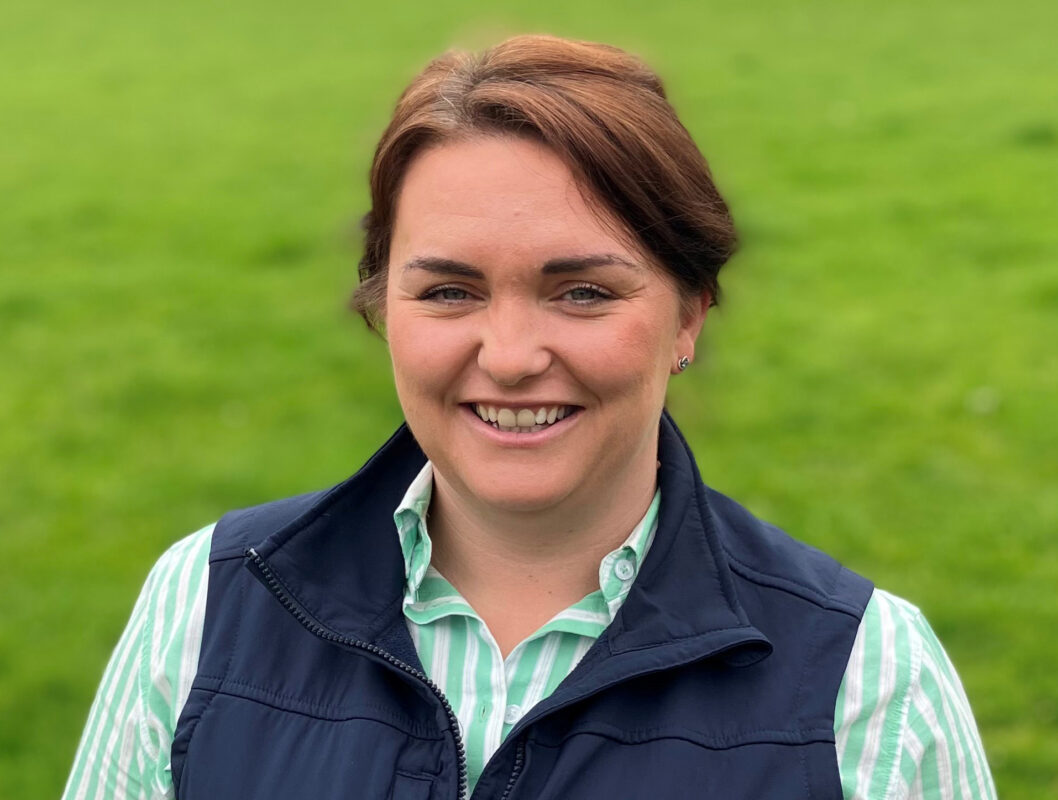
Tillie Williams enourages businesses to see succession planning as an asset
Fear and anger have been the overwhelming reaction to the Government’s IHT proposals. But is it now time to look at what can also be gained? British Dairying reports.
The news of the incoming inheritance tax (IHT) changes has sent shockwaves across the agricultural sector.
“This betrayal by the Labour Government has left a bitter taste in the mouths of rural and business communities across the country,” says Kite Consulting’s Tillie Williams.
And it can’t be denied that the changes will be disruptive to businesses nationally. “But in times of disruption come workable solutions which quickly become normalised, and with careful planning, the implications avoidable,” she adds. “For many, proactive planning will help secure the farm’s future for the next generation.”
In the short term, there will be some casualties, particularly those business operators in their later years who were advised to hold onto the ownership of assets and do not have an adequate timeframe to plan.
“Expectations need to be managed.”
“Those businesses will need immediate specialist advice from accountants and professionals about how to minimise the potential liabilities they face. Kite is working with some clients who have been affected and are making progress in mitigating the potential tax liabilities.”
Take control
So how can producers turn this challenge into an opportunity? “Farmers need to take control of the situation promptly to clearly define the position of the business,” notes Tillie.
“They should work with the professionals supporting them to bring in the next generation sooner than many may have planned. This will involve sensitive family discussions on potentially life-changing decisions.”
Bringing succession to the forefront of discussion is a positive step for all generations. With a clear direction in place, the business will benefit from the enthusiasm of youth at a time when it is needed. And it will relieve the pressure on the older generation of owning and managing a dairy business, which comes with different expectation and complexity than there once was.
“Strategic planning and investment are standard in well-run businesses, regardless of the sector,” says Tillie. “It is no less important in agriculture, particularly with the volatility of inputs and markets.”
As a result of IHT changes, there may be a shift in borrowing behaviour, speeding up the rate of progression and investments on farms. However, this is heavily reliant on good business planning and profitability.
“Kite’s cost of production data shows that farms which are proactive in their business management are almost always technically and financially excellent.
“These businesses are often already having active discussions with their potential successors and ensuring they are equipped with the correct skills and knowledge required to manage a successful dairy farming business in the future.”
The existing agricultural property relief (APR) rules have meant that the wider benefits of implementing succession early have been overlooked, restricting progress within some farm businesses.
“Managing the day-to-day running of a farm business without ownership or financial control can be very limiting,” explains Tillie. “All too often as consultants we see a next generation of farmers well into their working life still powerless within the business which they have dedicated so much time to, often straining family relationships and hampering progress.”
Where to start
The changes to APR will put the topic of succession at the top of the agenda for many agricultural businesses, shifting the focus from farming businesses operating to a tax strategy, to one of business resilience.
So where do families start? For many of the older generation, not being in control of the farm business; a position which they may have held for many decades, can be something they fear. “Having empathy for their situation and appreciating their knowledge and experience is crucial.”
The IHT changes are a massive topic for many family businesses to tackle and every farm is different. “To get on the route to resolution, expectations need to be managed, and conversations need to be productive and respectful,” says Tillie.
“Using an independent person to assist in this process can lead to better outcomes.”
Getting appropriate advice will be essential for farmers, and building a team of trusted advisers is key to ensure the business is in a robust position going into the new era of tax.
“This is all part of building business resilience.”
“Having appropriate life assurance cover in place is a good way to start, particularly if you fall in the high risk category.”
Typically, the accountant will be a crucial party and maybe other professionals, too, like land agents and lawyers.
Specialist business consultants can be of value as they understand the farm business and complex family dynamics which often come with multi-generational family farms, she adds. “They can advise on how to steer the structure and performance of the business to drive the profitability needed.”
Building business resilience
Although the IHT changes are currently only being considered on a personal level, further repercussions could be seen throughout the industry and its supply chain.
“A full evaluation of the risks to the dairy sector is under way and Kite will be asking progressive processors and others in the supply chain to help provide the support and planning that the next generation will need,” says Tillie.
“This is all part of building business resilience, and more information will follow.”