
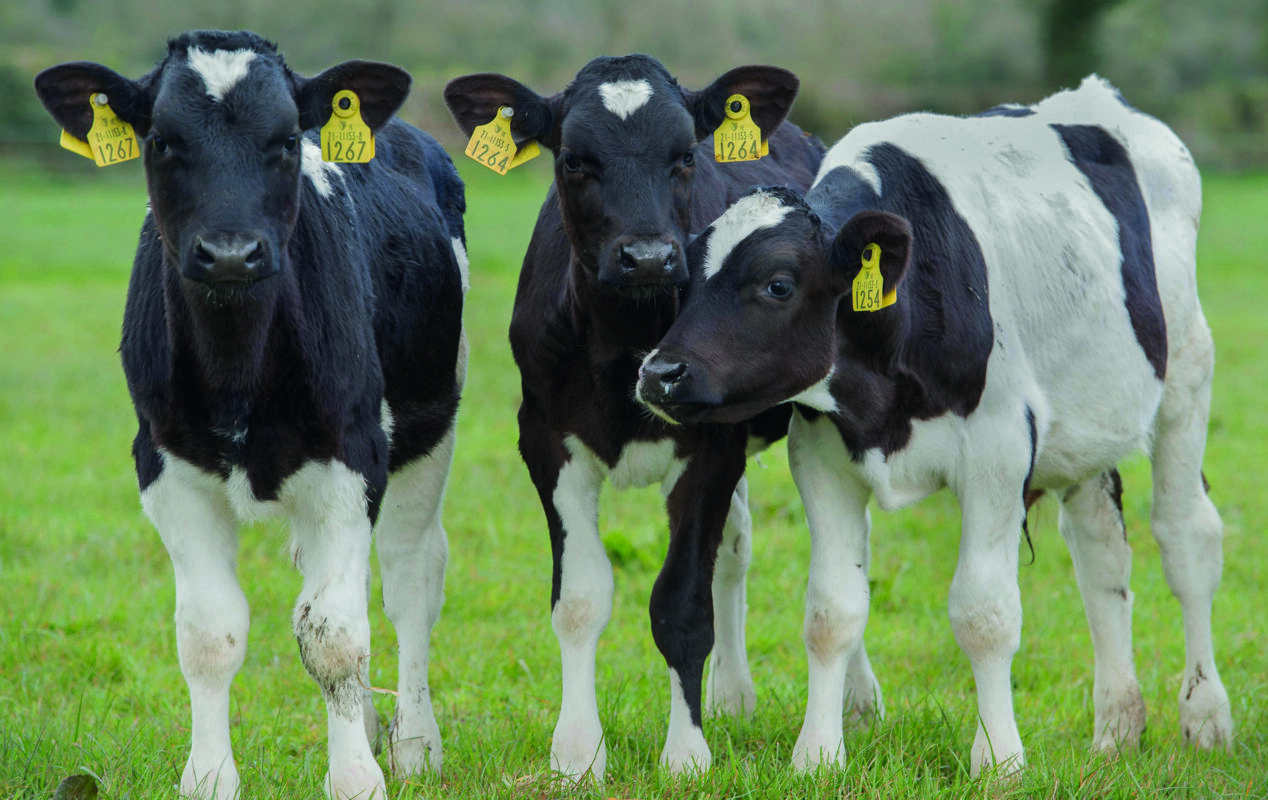
High temperatures around birth can negatively impact calf performance
Heat stress in dry cows has been found to affect the lifetime production of their offspring. And recent studies show that this in-utero heat stress reduces growth rates and mammary development in the post-weaning phase. British Dairying reports.
Warmer temperatures in the lead up to and at birth can negatively impact the offspring’s growth and performance. That’s according to a monthly comparison of calf performance, based on the month of calving on US farms.
Heat stress occurs when a critical combination of temperature and humidity is reached, as measured by the temperature humidity index (THI). In cows, heat stress begins when the THI is 68 or above.
Summer humidity
In the UK, where summer humidity typically averages around 60%, this level occurs when temperatures reach 22°C or above. According to Cargill, these heat stress conditions were recorded on nearly 30% of days between May to September in 2023.
“We’ve stressed the importance of reducing heat stress in milking herds to avoid poor fertility, and in more persistent warm spells, to mitigate reductions in milk yield,” says Bianca Theeruth, Youngstock Specialist at Cargill. Heat stress has been estimated to cause economic damage of £40-£85/cow in a typical UK year due to lost milk, decreased fertility and less efficient use of feed.
Where dry cows have experienced heat stress, studies have shown reductions in daily milk yields of 5-7.5kg/cow in the subsequent lactation. Gestation periods can be reduced by between two and eight days, causing lighter calf birthweights.
“Until now, we’ve not appreciated the extent of the epigenetic effects of heat stress, where the progeny of cows experiencing heat stress in the dry period are affected throughout their lifetime,” says Bianca. “The financial impact in this situation can be significant.”
“Too often, dry cows are left in ‘exposed’ fields without shade.”
Studies from the Universities of Florida and California investigated the impact of birth season on the longevity, mortality and culling patterns in progeny. Production records from 18,000 Holstein heifers and cows, recorded from 2012 to 2022 in Florida and California, were analysed. Researchers compared the performance of progeny born in the ‘hot’ season, from June to September, with those born in the ‘cool’ season from December to March.
A THI greater than 68 was recorded as a sustained period of heat stress. THI measurements in Florida’s hot season averaged 77.0, and California averaged 73.5, compared with 58.4 and 52.7, respectively, in the cool season.
“This data, published in 2024, revealed that cows born in the cool season showed increases in the length of productive life to more than five lactations,” says Bianca. “In Florida, of the 14.5% of cows in their fifth lactation, 72% were born in the cool season compared with 28% in the hot season. In California, 20.4% of the total were fifth lactation cows, with 56% of these born in the cool season.”
The Florida group published earlier results in 2020, demonstrating the impact of in-utero heat stress on milk yield. First lactation yields in heifers born from heat-stressed dams were 2.2kg/cow per day less; this difference increased to 6.5kg/cow per day in the third lactation, compared to those born from in-utero cooled dams.
Disadvantaged calves
“The work also showed that those calves born in warmer months were seen to be at a disadvantage from the onset, with more than 50% of the fertility, foot and leg and mastitis issues arising in cows born in the warmer months,” adds Bianca. “A similar pattern was recorded in Florida for culling and mortality, with more than 50% of affected progeny born in the warmer months.”
A second study supported the findings that the post-weaning performance of heifers was hindered in those born from heat stressed dams. Across five months in 2020, the growth rates of weaned Holstein offspring were measured in two dry period treatments on a dairy farm in northern Florida.
 Bianca Theeruth at Cargill
Dry cows were either heat stressed, with access to shade in a free stall barn and natural ventilation, or cooled with access to shade and forced ventilation with water soakers. The average hourly THI during late gestation ranged from 75 to 83.
The heifer calves were weaned and reared as a single cohort until 12 months old. Throughout the rearing period, body weight and skeletal measurements were compared. Mammary development was also assessed through external measurements and tissue biopsies.
Despite being raised in identical post-weaning environments, results showed that the in-utero heat stressed heifers were smaller, lighter and had stunted mammary gland growth.
“Reduced mammary gland development may limit the heifers’ future milk synthesis capacity,” explains Bianca. “And impaired ovarian function; with smaller follicles and corpus luteum and reduced oestrogen production, may affect fertility in these animals.” Some studies on heat stressed cows showed no significant delay in age at first insemination or calving, possibly because reproductive organ development is most sensitive in early gestation, she adds.
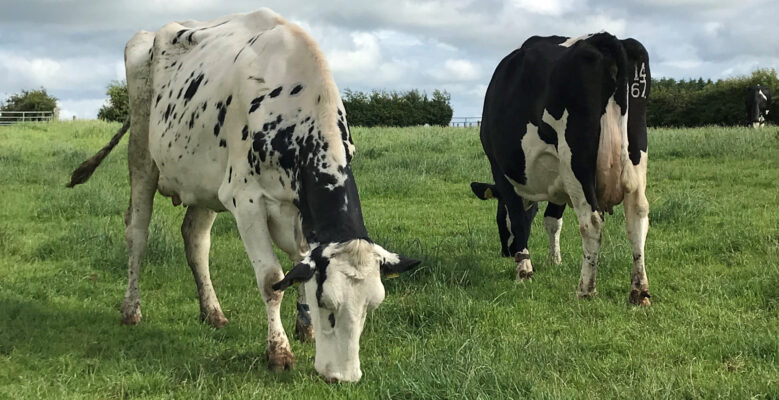 Grazing cows need shelter in warm weather and plenty of clean waterm.
Environmental management
“However, there is clearly an epigenetic effect here, in that the cow’s environment at any point during pregnancy may have an impact once that calf is born. And there is no compensatory growth. This highlights the importance of maternal environmental management during the dry period.”
As the UK experiences more prolonged periods of warm weather, producers are facing a management challenge in summer months. “It’s worth looking at cow performance alongside the month of calving to identify any trends,” says Bianca. “And as part of routine management, we encourage farmers to use a THI meter placed in the shed or in a convenient corner of the yard to monitor conditions.”
Precautionary measures to keep cows cool – including dry cows – are advisable. Practical steps in housing, grazing management, and ensuring fresh feed and plenty of clean water are available 24/7 are basic but vital practices. “Also, grazing cows need shelter in warm weather,” she adds. “Too often, dry cows are left in ‘exposed’ fields without shade. This should be avoided, and cows given access to shade or sheds.”
Modifying the dry cow diet with coolant feed products like CoolCalver is beneficial, she claims.
This product has an osmolyte cooling element, which reduces the cow’s body temperature, as well as supporting rumen function and maintaining feed intake.
Added to diets 21 days before calving, it can help to maintain the metabolic functionality of cows close to calving and mitigate the negative impact of heat stress.
“Safeguarding the performance of the next generation means keeping dry cows cool. Ensuring the environment is comfortable
and these cows are protected from extremes will promote herd longevity,” says Bianca.
“And this starts early, with progeny achieving good growth rates and mammary development, paving the way to a productive lifetime performance.”